

Choosing the Right Roof: A Guide to Selecting the Best Roofing Material for Your Project

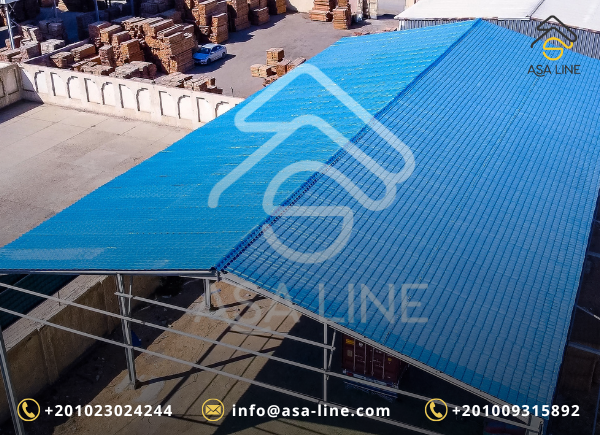
Choosing the right roof is one of the most important decisions when constructing a new building, factory, warehouse, villa, commercial property, or agricultural facility. A roof is not simply a protective layer over a building. It directly affects thermal comfort, energy consumption, maintenance costs, durability, and the overall performance of the structure.
With many roofing materials available in today’s market, selecting the most suitable option can be challenging. Traditional metal sheets, sandwich panels, clay tiles, and modern UPVC roofing sheets each have different characteristics and applications.
For this reason, choosing the best roofing material should not depend on the initial price alone. The building’s purpose, local climate, insulation requirements, expected lifespan, maintenance needs, installation process, and long-term costs should all be considered before making a decision.
In this guide, we explain the most important factors to consider when choosing the right roof, compare common roofing materials, and explain why modern UPVC roofing solutions have become an attractive choice for many projects.
Why Is Choosing the Right Roof Important?
The roof is one of the most exposed parts of any building. It must withstand sunlight, heat, rain, humidity, wind, and changing weather conditions throughout the year.
Choosing an unsuitable roofing material can lead to several problems, including excessive indoor heat, water leakage, corrosion, frequent repairs, and higher operating costs.
A properly selected roofing system can help:
- Improve thermal insulation inside the building.
- Reduce heat transfer during hot weather.
- Protect equipment, products, and stored goods.
- Reduce maintenance and repair requirements.
- Improve the building’s long-term durability.
- Reduce cooling requirements and energy consumption.
- Provide better resistance to different weather conditions.
For factories and warehouses in particular, these factors can directly affect operating expenses and working conditions.
Therefore, roof material selection should be considered an essential part of the building design rather than a final construction decision.
What Should You Consider When Choosing the Right Roof?
There is no single roofing material that is suitable for every project. The best roof for buildings depends on the building type, environmental conditions, technical requirements, and budget.
Before selecting a roofing system, consider the following key factors.
1. The Type and Purpose of the Building
The first question you should ask is: What will the building be used for?
A factory may require excellent thermal insulation and high durability, while a warehouse may place greater importance on protecting stored products from heat and moisture.
Residential buildings may focus more on appearance and comfort, while agricultural facilities may prioritize practicality and cost-effectiveness.
For example:
- Factories: require durable roofing with good thermal and acoustic insulation.
- Warehouses: need protection from heat, moisture, and external weather conditions.
- Villas and residential buildings: require a balance between appearance, insulation, and durability.
- Agricultural facilities: need practical and durable roofing solutions.
- Commercial buildings: often require both functionality and an attractive appearance.
Understanding the purpose of the building is the first step toward choosing the right roof.
2. Climate and Weather Conditions
The local climate has a major impact on roofing performance.
In hot climates such as Egypt, roofs are exposed to strong sunlight and high temperatures for long periods. Coastal areas may also experience high humidity and salty air, while some industrial locations may expose roofing materials to more demanding environmental conditions.
Before selecting a roofing material, consider:
- Average and maximum temperatures.
- Direct exposure to sunlight.
- Rainfall and humidity.
- Wind conditions.
- Coastal and salty environments.
- Seasonal temperature changes.
A roofing material that performs well in one environment may not necessarily be the best roofing material for another.
3. Thermal Insulation
Thermal insulation is one of the most important factors when choosing roofing materials, especially for factories, warehouses, workshops, and other large buildings.
A roof with poor thermal insulation can allow significant amounts of heat to enter the building. This can increase indoor temperatures and make air-conditioning systems work harder.
Good thermal performance can help create a more comfortable indoor environment while potentially reducing cooling requirements.
When comparing different roofing materials, it is important to evaluate their ability to limit heat transfer rather than focusing only on their initial purchase price.
4. Moisture and Corrosion Resistance
Moisture is another important factor that can affect the lifespan of a roofing system.
Traditional metal sheets may be vulnerable to corrosion when their protective coating becomes damaged or when they are continuously exposed to humidity and water.
This issue can become more significant in coastal areas where salty air can accelerate corrosion in certain metal materials.
Modern UPVC roofing sheets provide high resistance to moisture and do not rust like conventional metal sheets. This makes them a practical option for projects where corrosion resistance is an important requirement.
5. Durability and Expected Lifespan
The cheapest roofing solution is not always the most economical one in the long term.
A roofing material may have a low initial price but require frequent repairs, repainting, replacement of damaged sections, or other maintenance work.
For this reason, the expected lifespan should always be evaluated alongside the initial purchase cost.
When assessing roofing durability, consider:
- Raw material quality.
- Manufacturing standards.
- Resistance to weather conditions.
- UV resistance.
- Installation quality.
- Maintenance requirements.
- Manufacturer warranty.
A durable roofing system can provide better value throughout the life of the building.
Why Are Maintenance Requirements Important?
Maintenance is often overlooked when choosing a roofing material. However, maintenance costs can become a significant part of the total cost of ownership.
Some traditional roofing systems may require periodic inspection, repainting, sealing, or replacement of damaged components.
A low-maintenance roofing solution can reduce direct repair costs and minimize interruptions to daily operations.
This is particularly important for factories and warehouses, where roof repairs may interrupt production, storage, or business activities.
Therefore, when comparing the best roofing material for your project, consider the expected maintenance expenses over several years rather than looking only at the initial purchase price.
How Does Roof Weight Affect Your Project?
The weight of a roofing material can influence transportation, handling, installation, and the structural requirements of the building.
Heavy roofing materials may require stronger structural support and more effort during installation. Lightweight materials can make transportation and handling easier and may reduce installation time when the supporting structure is properly designed.
UPVC roofing sheets are relatively lightweight compared with many traditional roofing materials. This makes them easier to transport and handle during installation.
However, the roof structure and installation method should always be evaluated according to the specific requirements of each project.
Comparison of Common Roofing Materials
Different roofing materials offer different levels of performance. Comparing them according to the most important factors can make the selection process easier.
Factor | Traditional Metal Sheets | Sandwich Panels | UPVC Roofing Sheets |
Thermal insulation | Low | Good | Excellent |
Corrosion resistance | Low to Medium | Medium | High |
Moisture resistance | Medium | Good | High |
Weight | Medium | Medium | Lightweight |
Maintenance | High | Medium | Low |
Installation | Relatively easy | Requires specialized installation | Easy |
Durability | Medium | Good | Long |
| Suitable applications | Basic and temporary structures | Insulated buildings | Factories, warehouses, commercial and agricultural buildings |
This comparison shows why UPVC roofing panels have become an attractive option for projects looking for a balance between thermal insulation, durability, corrosion resistance, low maintenance, and ease of installation.
Why Are UPVC Roofing Sheets a Modern Roofing Solution?
UPVC roofing sheets are increasingly used as a modern alternative to several traditional roofing materials.
Their properties make them suitable for different applications, particularly where thermal performance, durability, and resistance to environmental conditions are important.
Excellent Thermal Insulation
UPVC roofing sheets can help reduce heat transfer from the roof into the building. This can contribute to a more comfortable indoor environment, especially in hot climates.
Resistance to Rust and Corrosion
One of the major advantages of UPVC is that it does not rust like conventional metal roofing.
This makes UPVC roofing panels a suitable choice for humid environments and locations where moisture and corrosion are concerns.
Lightweight Construction
The relatively lightweight nature of UPVC roofing sheets makes them easier to transport, handle, and install compared with many traditional roofing materials.
Low Maintenance
UPVC is resistant to rust and moisture, which can help reduce the need for frequent maintenance and repair work.
Long-Term Performance
When manufactured using high-quality raw materials and installed correctly, UPVC roofing sheets can provide long-term performance under different environmental conditions.
How to Choose the Best Roof for Buildings?
To identify the best roof for buildings, start by defining the project’s actual requirements.
First, determine the purpose of the building. Then evaluate the climate and environmental conditions in the project’s location.
After that, compare available roofing materials based on:
- Thermal insulation.
- Moisture and corrosion resistance.
- Expected lifespan.
- Maintenance requirements.
- Installation requirements.
- Initial and long-term costs.
- Manufacturer reputation and warranty.
- Available sizes and design options.
This process helps prevent a common mistake: choosing a roofing material based only on its initial price.
The right decision should focus on the total value that the roofing system provides throughout its service life.
Common Mistakes When Choosing Roofing Materials
Even when high-quality roofing materials are available, the wrong selection process can lead to poor results.
Choosing Based Only on Price
A low initial price may appear attractive, but frequent maintenance and replacement can make the material more expensive over time.
Ignoring Thermal Insulation
In hot climates, selecting a roofing material with poor insulation can lead to higher indoor temperatures and increased cooling requirements.
Using the Same Material for Every Project
Factories, warehouses, villas, farms, and commercial buildings have different requirements. The roofing system should be selected according to the specific application.
Ignoring Local Environmental Conditions
Humidity, sunlight, rain, wind, and salty air can all affect the performance and lifespan of roofing materials.
Choosing an Unreliable Supplier
The quality of the manufacturer is just as important as the material itself. Poor raw materials or inconsistent manufacturing can affect the performance of the final roofing product.
Why Choose ASA Line for Your Roofing Project?
Choosing the right manufacturer is an essential part of selecting a reliable roofing system.
ASA Line is a specialized factory for manufacturing UPVC roofing sheets and provides modern roofing solutions for different types of projects.
The factory produces roofing panels designed for industrial, commercial, agricultural, and residential applications.
Key advantages of ASA Line roofing solutions include:
- High-quality UPVC raw materials.
- Modern manufacturing processes.
- Resistance to moisture and corrosion.
- Good thermal insulation.
- Lightweight construction.
- Different sizes and colors.
- Roofing solutions for factories and warehouses.
- Technical support and product guidance.
By working with a specialized roofing manufacturer, customers can choose products that are better aligned with the technical and practical requirements of their projects.
Related Roofing Resources
If you are comparing different roofing options, the following resources can help you understand the advantages and limitations of different materials.
Common Mistakes When Choosing Roofing Materials
Learn about the most common mistakes that can increase maintenance costs and reduce roof performance.
Common Roofing Material Selection Mistakes and How to Avoid Them
UPVC Roofing Sheets as a Modern Alternative to Metal Sheets
Discover how UPVC roofing sheets can provide a modern alternative to traditional metal roofing.
Top Uses of Icon Metal Sheet Alternative for Roofing in Egypt 2026
The Best Roofing Solutions for Factories and Warehouses
Compare common roofing systems and learn which factors matter most for industrial and storage buildings.
Best Roof Type for Factories and Warehouses in Egypt | Practical Comparison 2026
Frequently Asked Questions About Choosing the Right Roof
What is the best roofing material for buildings?
The best roofing material depends on the building type, climate, insulation requirements, budget, and expected lifespan. UPVC roofing sheets are one modern option suitable for many industrial, commercial, agricultural, and residential applications.
What factors should I consider when choosing a roof?
Consider thermal insulation, moisture and corrosion resistance, durability, maintenance requirements, installation, weight, environmental conditions, warranty, and total long-term cost.
Are UPVC roofing sheets suitable for factories?
Yes. UPVC roofing sheets can be suitable for factories because they offer thermal insulation, corrosion resistance, lightweight construction, and relatively low maintenance requirements.
Are UPVC roofing sheets better than traditional metal sheets?
For many applications, UPVC can provide important advantages such as improved thermal insulation, corrosion resistance, moisture resistance, and lower maintenance requirements. The best option ultimately depends on the specific project.
Is the cheapest roofing material always the best choice?
No. The initial purchase price is only one part of the total cost. Maintenance, repairs, energy consumption, and expected lifespan should also be considered.
How important is the manufacturer when choosing roofing materials?
The manufacturer is extremely important because raw material quality, manufacturing standards, product consistency, technical support, and warranty can all affect the final performance of the roofing system.
Conclusion
Choosing the right roof is a long-term decision that can directly affect the comfort, protection, operating costs, and durability of a building.
The best roofing material should not be selected based on price alone. A successful decision should consider the building’s purpose, local climate, thermal insulation requirements, resistance to moisture and corrosion, expected lifespan, maintenance needs, installation requirements, and overall cost.
For many modern construction projects, UPVC roofing sheets provide a practical combination of thermal insulation, durability, lightweight construction, corrosion resistance, and low maintenance.
Whether you are constructing a factory, warehouse, villa, commercial building, or agricultural facility, carefully evaluating available roofing materials can help you achieve better long-term performance and avoid unnecessary expenses.
If you are looking for a modern roofing solution for your project, ASA Line provides UPVC roofing sheets designed to meet the requirements of different applications.