


Plastic vs Clay Roof Tiles: Which Is Better for Roofing?

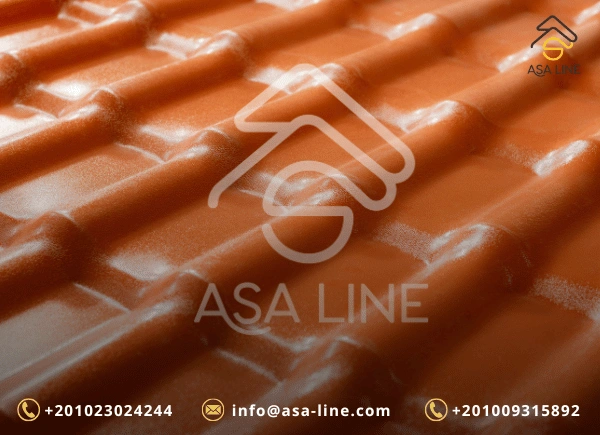
When comparing Plastic vs Clay Roof Tiles, many property owners and contractors wonder which option delivers better performance, durability, and long-term value.
Roof tiles play a critical role in protecting buildings while also enhancing their appearance. While clay roof tiles have been widely used for decades, modern construction has introduced plastic roof tiles made from UPVC as a more advanced alternative.
In this article, we will explore the difference between plastic and clay roof tiles in detail—covering everything from cost and durability to insulation and installation—so you can confidently choose the best roofing solution for your project.
What Are Plastic Roof Tiles?
Plastic roof tiles are modern roofing solutions made primarily from UPVC, a durable and weather-resistant material.
They are designed to offer high performance in harsh environments while maintaining a stylish appearance similar to traditional tiles.
Plastic roof tiles are commonly used in:
- Residential buildings and villas
- Industrial facilities and warehouses
- Farms and agricultural structures
- Outdoor shading systems
At ASA Line factory for roofing sheets production, plastic roof tiles are manufactured using advanced technology and high-quality imported materials to ensure long-lasting performance.
Know More : ASA Line Tiles
What Are Clay Roof Tiles?
Clay roof tiles are traditional roofing materials made from natural clay that is shaped and fired in kilns.
They are known for their classic architectural look and are often used in:
- Villas and luxury homes
- Heritage buildings
- Resorts and traditional designs
Although they provide a timeless aesthetic, clay tiles may not always meet the performance requirements of modern projects.
Plastic vs Clay Roof Tiles: Key Differences Explained
To fully understand Plastic vs Clay Roof Tiles, it is important to compare their performance across key factors.
Weight and Structural Load
One of the biggest differences between plastic and clay roof tiles is weight.
Clay roof tiles are heavy and require strong structural support, which can increase construction costs.
Plastic roof tiles, on the other hand, are lightweight. This makes them easier to handle, transport, and install while reducing stress on the building structure.
Durability and Strength
Durability is a critical factor when comparing Plastic vs Clay Roof Tiles.
Clay tiles are more fragile and can break during transportation or installation.
Plastic roof tiles offer:
- Higher flexibility
- Better resistance to impact
- Longer-lasting performance
This makes them ideal for projects where durability is essential.
Weather and Moisture Resistance
Another key point in the difference between plastic and clay roof tiles is how each material handles environmental conditions.
Plastic roof tiles are highly resistant to:
- Rain and humidity
- Rust and corrosion
- Mold and fungi
They also often include UV protection to maintain color over time.
Clay tiles may absorb moisture and can be affected by environmental conditions over the long term, especially in humid or coastal areas.
Thermal Insulation
When evaluating Plastic vs Clay Roof Tiles, insulation plays a major role.
Plastic roof tiles provide excellent thermal and sound insulation due to the properties of UPVC. This helps reduce indoor temperatures and improve energy efficiency.
Clay tiles also provide insulation, but their performance depends on installation quality and additional layers.
Installation Process
Ease of installation is another major difference between plastic and clay roof tiles.
Plastic tiles are:
- Lightweight
- Flexible
- Easy to cut and install
This results in faster project completion and lower labor costs.
Clay tiles require more careful handling and longer installation time due to their weight and fragility.
Cost and Long-Term Value
Cost is always a deciding factor when comparing Plastic vs Clay Roof Tiles.
While initial prices may vary, plastic roof tiles often provide better long-term value because they:
- Require less maintenance
- Are quicker to install
- Have a longer lifespan
This makes them a more cost-effective choice over time.
Advantages of Plastic Roof Tiles
The growing demand for plastic roof tiles is driven by their practical benefits.
Key advantages include:
- Lightweight and easy to transport
- resistant to rust and moisture
- Strong thermal and sound insulation
- UV resistance for long-lasting color
- Long lifespan with minimal maintenance
These advantages make plastic roof tiles a strong competitor in the Plastic vs Clay Roof Tiles comparison.
When Should You Choose Plastic Roof Tiles?
Plastic roof tiles are the best option in many modern applications.
They are ideal for:
- Industrial and commercial buildings
- Warehouses and storage areas
- Agricultural projects
- Coastal environments
- Projects requiring fast installation
If your priority is performance, durability, and efficiency, plastic tiles are often the smarter choice.
Read Also : Plastic Roof Tiles Price per Meter in Egypt 2026 | Factors & Benefits
Why Choose ASA Line for Roofing Solutions?
When comparing Plastic vs Clay Roof Tiles, choosing the right supplier is just as important as choosing the material.
ASA Line factory for roofing sheets production offers:
- High-quality imported materials
- Advanced manufacturing processes
- Weather-resistant products
- Multiple designs and colors
- Reliable warranty and technical support
This ensures that you get a roofing solution that meets both performance and aesthetic requirements.
Frequently Asked Questions (FAQ)
What is the difference between plastic and clay roof tiles?
The main difference between plastic and clay roof tiles lies in weight, durability, and resistance to environmental conditions. Plastic tiles are lighter and more resistant, while clay tiles are heavier and more traditional in appearance.
Which is better: plastic vs clay roof tiles?
In most modern applications, plastic roof tiles are preferred due to their lightweight design, durability, and ease of installation.
Are plastic roof tiles suitable for hot climates?
Yes, plastic roof tiles made from UPVC offer excellent resistance to heat and UV exposure, making them suitable for hot environments.
Conclusion
The comparison of Plastic vs Clay Roof Tiles clearly shows how modern materials are transforming the construction industry.
While clay tiles offer a traditional look, plastic roof tiles provide better performance in terms of durability, weight, and efficiency.
For most modern projects, plastic roof tiles are a practical and cost-effective solution that delivers long-term value.
Looking for reliable and modern roofing solutions?
Discover high-quality plastic roof tiles from ASA Line and choose the best option for your next project.