

What Is PVC and Why Has It Become the First Choice in Construction and Industry?

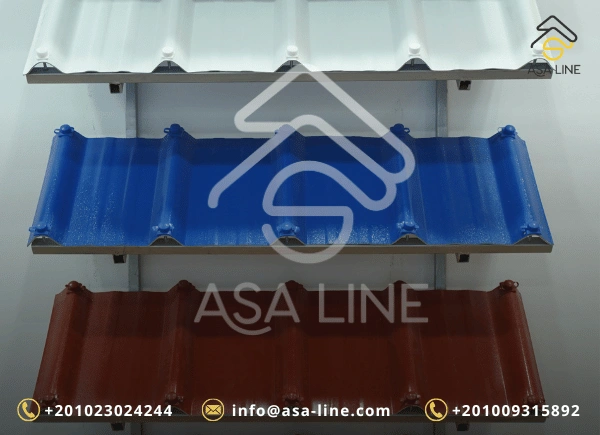
Many people search for “What is PVC”, especially with the rapid development of industrial materials and the rising need for practical, affordable, and durable solutions. Today, PVC has become one of the most widely used plastics worldwide. Its lightweight structure, corrosion resistance, and adaptable design make it suitable for almost every construction or industrial application.
What Is PVC?
PVC stands for Polyvinyl Chloride, a synthetic plastic material made through chemical reactions combining carbon and chlorine.
It is the third most used plastic globally, following polyethylene and polypropylene.
PVC is particularly valued for its flexibility in manufacturing. It can be produced as:
uPVC (Rigid PVC)
A strong, rigid material with no plasticizers, making it ideal for:
- Water pipes
- Doors and windows
- PVC roofing sheets
- PVC roof panels used as alternatives to clay and metal roofing
Flexible PVC
This type contains added plasticizers, making it softer and easier to bend. It is used for:
- Electrical cable insulation
- Flexible hoses
- Drainage pipes
- Packaging materials
However, it has lower heat resistance compared to uPVC.
Types and Applications of PVC
PVC comes in different grades to suit a wide variety of applications. The two main categories—rigid and flexible—serve both industrial and residential needs, making PVC one of the most versatile materials used today.
Advantages and Disadvantages of PVC
To properly evaluate what PVC is and whether it suits your project, it’s important to know both the benefits and the concerns associated with the material.
Advantages of PVC
PVC offers several properties that make it ideal for modern construction and manufacturing:
- Excellent resistance to water and humidity
- Lightweight and easy to install
- Long lifespan and cost-effective compared to traditional materials
- Strong resistance to chemicals and weather changes
- Can be recycled in many cases
Disadvantages of PVC
Like any material, PVC also has some limitations:
- Can release harmful gases (like dioxins) when burned or improperly manufactured
- Some additives (such as certain plasticizers) may pose environmental concerns
- Not biodegradable and requires proper recycling
- May become brittle under strong impact
Best Places to Buy PVC Roofing Sheets in Egypt
If you’re searching for a trusted source of PVC roofing sheets or PVC roof panels, then ASA Line Factory is one of the best manufacturers in Egypt.
ASA Line specializes in producing premium-quality PVC and UPVC roofing materials designed according to the latest global standards. The factory offers:
- A wide range of colors and sizes
- Durable, modern designs suitable for residential and commercial projects
- 10-year warranty
- Professional after-sales support and nationwide delivery
This makes ASA Line one of the most reliable places for purchasing PVC roofing sheets in Egypt.
Is PVC the Right Material for Your Project?
PVC is not just another plastic material—it is a smart long-term solution for anyone looking for strong performance, durability, and cost efficiency. Whether you need PVC roofing sheets or roof panels, PVC provides:
- Weather resistance
- Strength and longevity
- A great replacement for clay or metal roofing
- Excellent thermal and waterproofing performance
Frequently Asked Questions
What Is PVC Made Of?
PVC is produced from vinyl chloride, a combination of chlorine and ethylene. It is lightweight, durable, and resistant to moisture and chemicals, making it ideal for construction applications in both rigid and flexible forms.
What Is the Difference Between PVC and uPVC?
PVC contains plasticizers, making it flexible—perfect for hoses, cables, and insulation.
uPVC contains no plasticizers, making it more rigid and durable, ideal for doors, windows, water pipes, and roofing sheets.
What Are PVC Roofing Sheets Used For?
PVC roofing sheets are used for:
- Roof covering (as a replacement for clay or metal roofing)
- Doors and window framing
- Ceiling panels and interior decoration
- Thermal and waterproof insulation
- Advertising boards
- Wall and floor cladding in some projects
What Are the Disadvantages of PVC?
PVC can crack under heavy impact, weaken under long-term UV exposure, and requires heat stabilizers for high-temperature environments. It also does not degrade naturally and must be recycled properly.
Is PVC Better Than Other Plastics?
PVC is a type of plastic, but it offers unique advantages like flexibility, excellent weather resistance, and affordability.
However, other plastics like Polycarbonate or ABS may offer higher heat or impact resistance.
The best choice depends on your specific application and project needs.
Get Premium PVC Roofing Sheets from ASA Line
If you’re looking for durable, weather-resistant, and long-lasting PVC roofing sheets, ASA Line Factory provides top-quality solutions tailored to your project.
Contact our team today to get expert support and the best pricing.